How Long Does a Residential Roof Last?Residential RoofHow Long Does a Residential Roof Last?
Wondering if your roof is running on borrowed time? A typical residential roof lifespan runs 25 to 50 years, though the actual average roof lifespan depends on the type of roofing material, installation quality, climate exposure, and routine roof maintenance. According to the InterNACHI Standard Estimated Life Expectancy Chart for Homes, 3-tab asphalt shingles average 20 years, architectural asphalt shingles reach 30, and slate roofs stretch past 60.
Our crews at Kindred Construction see the gap every week between manufacturer claims and what a roof actually delivers inAmarillo ,Lubbock,Canyon,Pampa, and Plainview. West Texas heat, UV exposure, hail damage, and high winds trim those numbers fast. Knowing where your roof stands helps you plan ahead and avoid an emergency tear-off later.
Average Lifespan of a Residential Roof by Material
The type of roof you pick sets the ceiling on how long it can last. Here is the realistic breakdown for the roofing materials we install across West Texas.
| Roofing Material | Expected Lifespan |
| 3-tab asphalt shingles | 15 to 20 years |
| Architectural asphalt shingles | 20 to 30 years |
| Luxury asphalt shingles | 30 to 40 years |
| Standing seam metal roof | 40 to 70 years |
| Exposed fastener metal roof | 20 to 30 years |
| Clay tile roof | 50 to 100 years |
| Concrete tile roof | 50 to 75 years |
| Slate tile roof | 75 to 200 years |
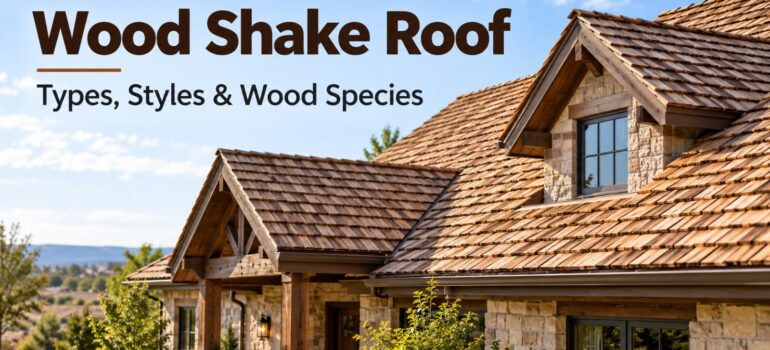
| Cedar shake / wood shingle roof | 25 to 40 years |
| EPDM, TPO, modified bitumen flat roofs | 20 to 30 years |
Most West Texas homes use asphalt shingle roofs, and our architectural shingles typically deliver 22 to 28 useful years before granule loss forces a roof replacement.
Key Factors That Affect How Long Your Roof Lasts
Your roofing material sets the ceiling, but real-world factors decide where the roof actually lands.
- Installation quality matters most. Improper nailing, poor flashing installation, and rushed workmanship cut a roof’s lifespan in half.
- Attic ventilation keeps shingles cool. Inadequate attic ventilation traps moisture buildup and voids most manufacturer warranties.
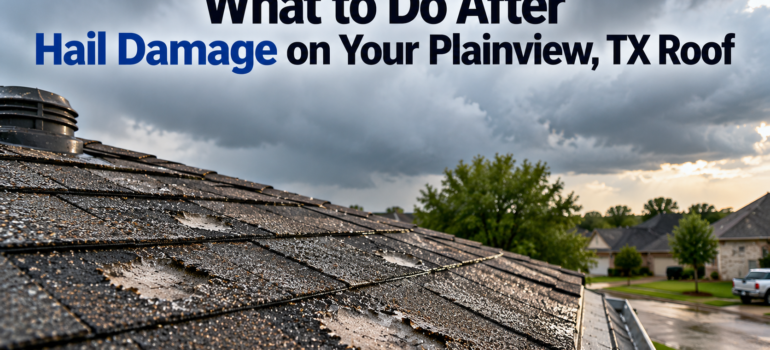
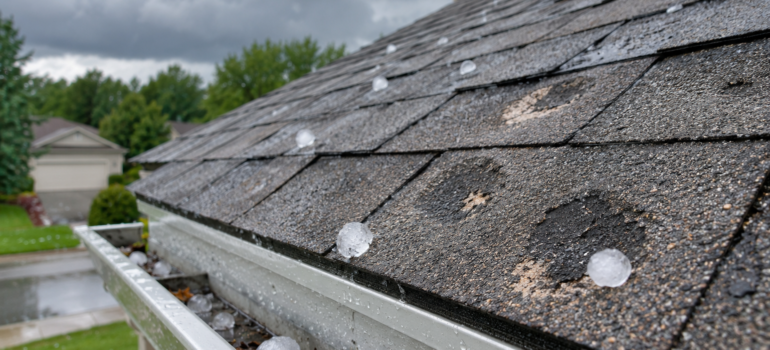
- Climate and weather conditions are brutal here. UV exposure, hail damage and storm damage age asphalt shingles faster than in mild regions.
- Roof slope and pitch affect drainage. Low-slope roofs hold water longer, which speeds up rot, algae growth, and moss growth.
- Roof color plays a quiet role. Light-colored shingles reflect heat and outlast dark-colored shingles in hot climates.
- Routine roof maintenance stretches every roof’s service life. Annual roof inspections, gutter cleaning, and trimming overhanging tree branches prevent premature failure.
Warning Signs Your Roof Is Nearing the End of Its Lifespan
These visible cues mean it is time for a professional roof inspection before damage spreads.
- Curling shingles, cracked shingles, buckling shingles, or missing shingles across multiple slopes.
- Granules in your gutters and bald spots on the shingle surface from heavy granule loss.
- Sagging roofline, soft spots, or daylight visible through roof decking.
- Water stains on ceilings or walls, dark streaks from algae, and moss growth in shaded valleys.
- Damaged flashing or cracked flashing around chimneys, skylights, and vents.
How to Extend the Life of Your Residential Roof
You can add five to ten years to almost any roof with steady care from a licensed roofing contractor.
- Schedule a free roof inspection annually and after every major storm.
- Address minor repairs quickly, before water reaches the roof deck and triggers the need for water mitigation inside the home.
- Maintain proper attic ventilation using balanced ridge vents, soffit ventilation, and quality exterior components.
- Keep gutters clear and trim trees back from the roofline.
If your roof is past 15 years, the Kindred Construction team provides documented inspections and honest guidance on whether roof repair or full roof replacement is the smarter call.
Plan Ahead. Protect What’s Above You.
A residential roof is the most weather-beaten part of your home, and waiting for water to reach the ceiling is the most expensive way to learn that. Knowing the expected lifespan of your roofing material, catching warning signs early, and staying current on regular roof maintenance will protect both your investment and your family.
Our team has handled over 3,000 roofs across West Texas, and we are ready to give yours the same straightforward care. Call Kindred Construction at 806-440-2167 or request a free roof inspection online today.
Frequently Asked Questions
How often should a residential roof be replaced?
Most asphalt shingle roofs need replacement every 20 to 25 years, while metal roofs and tile roofs can last 50 years or more. Roofs in West Texas often need attention sooner due to hail and UV damage.
What is the longest-lasting roofing material?
Slate tiles last 75 to 200 years, making them the most durable option available. Clay tile roofs and copper roofing also exceed 70 years when installed correctly.
Does proper attic ventilation really extend roof life?
Yes, and the difference is large. Adequate attic ventilation adds five to ten years to asphalt shingle lifespan and keeps your manufacturer warranty valid.
Can I install a new roof over my existing one?
You can, but it shortens the new roof’s life and adds load to the structure. A full tear-off is the better long-term move.
How do I know if I need roof repair or replacement?
A qualified roofing contractor evaluates roof age, damage patterns, and decking condition. Isolated leaks usually call for repair, while widespread granule loss or sagging signals full roof replacement.